
Cover image is illustrative.
Does the first blast of heat seem to bring on sneezing? Or does dust reappear beside a vent soon after you wipe it down? Those observations are worth recording, but they cannot identify the cause of your symptoms. Dirty air ducts and allergies can be connected through exposure to contaminants; the question is whether your particular system is actually releasing them.
This guide helps Ontario homeowners separate ordinary surface dust from problems worth investigating, prepare useful questions for a contractor, and avoid paying for cleaning that leaves the real issue unresolved.
What actually triggers indoor allergies?
An allergy is a response to a substance a person is sensitive to. Common examples include dust-mite allergens, pet dander, pollen and mould spores. Household dust is a mixture, rather than a single allergen, and its appearance alone cannot tell you what it contains.
- Dust mites: Think about bedding, upholstered furniture and carpets as well as ventilation.
- Pet dander: Include the rooms where pets sleep and spend time in your investigation.
- Pollen: Consider what enters through open doors and windows or is carried indoors on clothing and pets.
- Mould: Look for a moisture history, not just a dusty grille.
- Other irritants: Note whether symptoms coincide with cleaning sprays, smoke, fragrances or renovation work. Irritation and allergy are not the same diagnosis.
For example, a problem that seems strongest in one bedroom calls for a different investigation from visible particles emerging from several supply vents. Keep an open mind about both the room and the equipment.
So where do air ducts come into the picture?
A typical forced-air system draws room air through return vents, passes it through a filter and heating or cooling equipment, then delivers it through supply ducts. The layout varies by home. Recirculating room air is also different from bringing in fresh outdoor air.
Room air → return vent → filter → furnace or air handler → supply ducts → rooms
The U.S. Environmental Protection Agency's duct-cleaning guidance explains that improperly maintained HVAC components can hold dust, pollen and other debris. Moisture can support mould growth, and contaminants released into rooms may affect sensitive occupants. It also stresses that much settled duct dust stays attached to surfaces; studies do not conclusively show that dirty ducts increase household particle levels.
That distinction matters: a photograph of dust inside one duct is evidence of dust at that spot, not proof that the system is making someone ill. Ask where the image was taken, whether it is a supply or return duct, and what problem the proposed work would address.
5 signs your duct system may be contributing to the problem
1. Symptoms seem worse when heating or cooling starts
This does not prove your ducts are causing symptoms. Write down the time, room, system setting and what else was happening. Did you also vacuum, open windows or use a scented product? A short record is more useful than assuming every sneeze comes from the furnace.
2. Dust quickly returns around supply vents
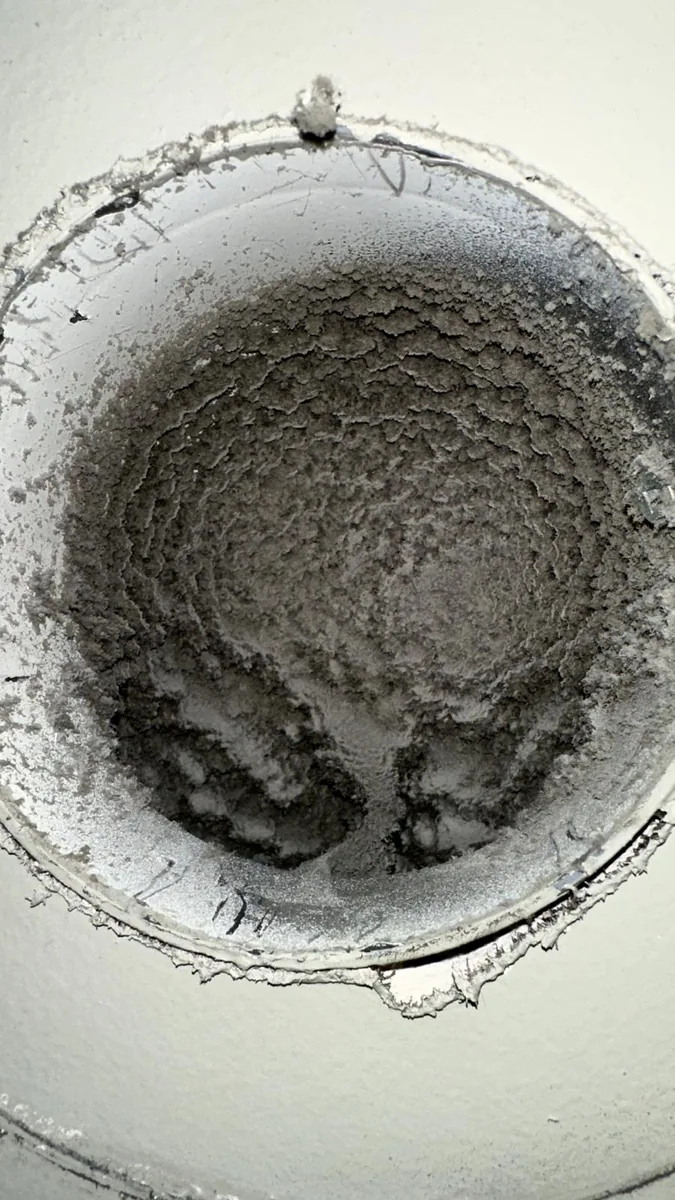
Clean the accessible grille and nearby surface, then photograph what returns. Distinguish a dusty cover from particles visibly coming out while the system runs. Dust on a return grille is common because it draws in room air; it does not establish that the entire duct network needs cleaning.
3. Significant debris is visible in accessible ductwork
Use a flashlight from a safely accessible opening. Record obvious piles of debris or construction material rather than relying on the age of the house. Do not reach deep into ducts or dismantle furnace equipment. A contractor can inspect areas you cannot see.
4. There is a persistent musty smell or moisture history
Note where the smell is strongest and whether it follows rain or cooling-system use. A smell alone cannot confirm mould in air ducts. Ask for the suspected source to be identified, and for a moisture-control plan; cleaning without correcting the cause can leave the problem recurring. Wet or mouldy duct insulation may need replacement.
5. The home has recently been renovated
After drywall sanding or major building work, ask the contractor whether vents were protected and whether the HVAC system ran during dusty tasks. Renovation history is a reason to inspect, not an automatic reason to book. Take photographs of visible debris and keep the work dates handy.
Why Ontario homes can have different indoor-air challenges through the year
Your observations may change between the heating season, spring pollen season and humid summer weather. During colder months, many households keep windows closed and use heating more often. In warmer weather, the question may shift to outdoor pollen, cooling equipment or a damp basement.
Use that seasonal context when investigating indoor air quality in Ontario. Did the issue begin with the first heating cycle, a move, a new pet or a renovation? Does it happen in every room, or only downstairs? These details help avoid confusing a seasonal coincidence with a duct problem.
Homes in Oshawa, Whitby, Ajax and Pickering do not all have the same ventilation layout. A newer home with an air exchanger needs a different maintenance conversation from a home with only a furnace and exhaust fans. Identify the equipment you actually have before requesting a service.
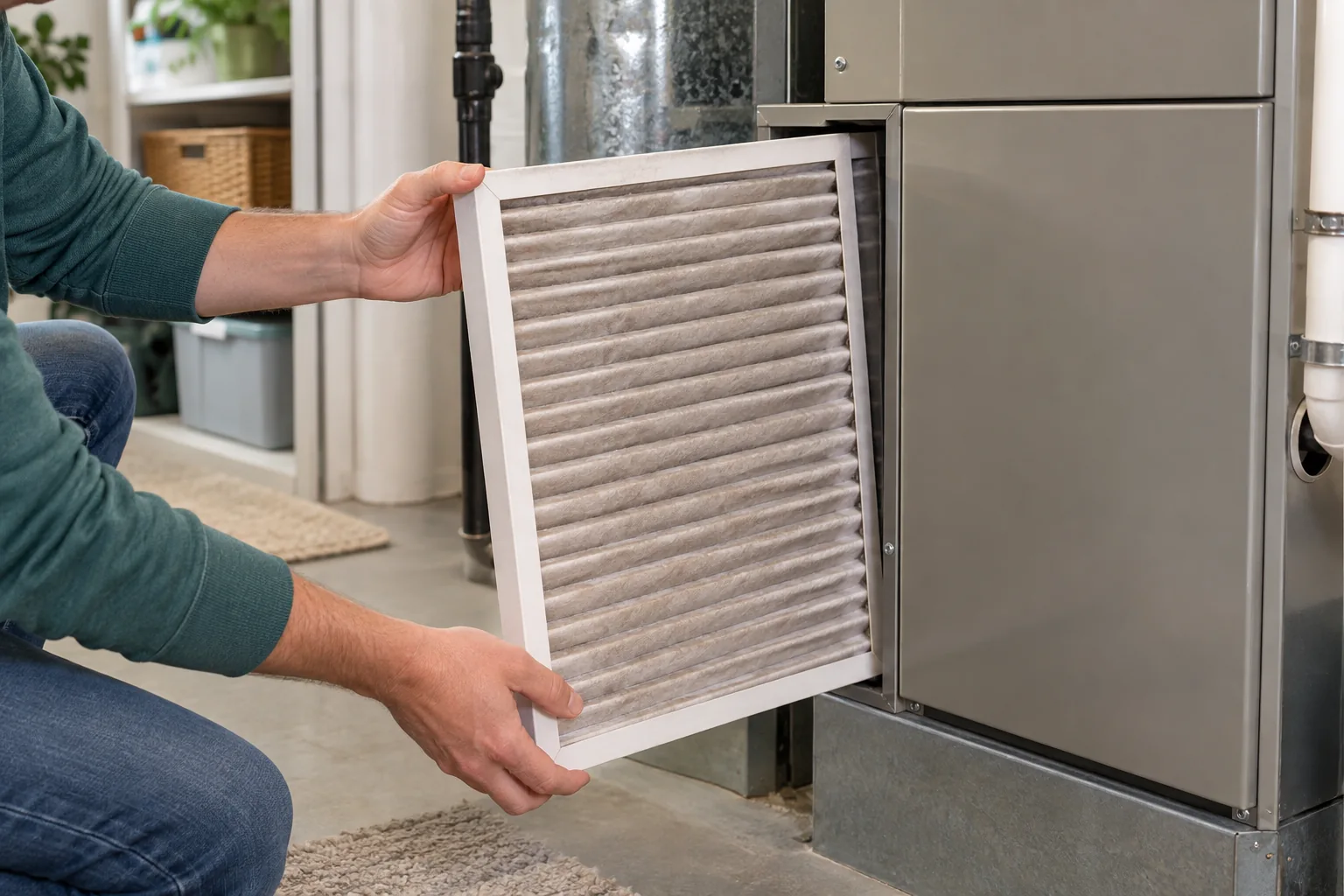
Before booking duct cleaning, check these 6 things
- Furnace filter: Write down its size, installation date and model. Check for visible loading and gaps around the frame. Follow the equipment instructions; ask an HVAC technician before switching to a more restrictive filter.
- Supply registers: Photograph the cover and accessible opening separately. Note whether dust is merely on the surface or visibly blows into the room.
- Return vents: Check whether furniture blocks them. Clean accessible surface dust and keep a record of unusual buildup.
- Moisture: Look for water marks, persistent dampness or a recent leak near the basement and HVAC area. Have equipment-related leaks checked by a qualified technician.
- Suspected mould: Avoid identifying it by colour or a phone photograph. Ask what evidence supports the diagnosis and who should assess it.
- Renovation history: List the work completed and any visible material left near vents. Share those details when asking for an inspection.
The goal is to arrive with specific observations: “debris visible in this return opening after sanding” tells a contractor more than “the air feels dirty.”
When air duct cleaning may help—and when it probably will not
EPA guidance identifies substantial visible mould in hard-surface ducts or other HVAC components, pest infestation, and excessive dust or debris or particles released from supply registers as reasons to consider cleaning. Underlying causes need attention too. Routine cleaning has not been shown to prevent health problems.
| Worth a closer inspection | Cleaning alone does not address |
|---|---|
| Heavy debris or particles escaping registers | The source of dust in furnishings and rooms |
| Evidence of pests inside ductwork | Pest entry points or ongoing infestation |
| Suspected HVAC mould with moisture | The leak, dampness or damaged insulation |
| Visible contamination after building work | Dust still being produced by unfinished work |
If you are exploring air duct cleaning for allergies, define the purpose as removing identified system contamination. Do not treat a cleaning appointment as a substitute for diagnosis or expect a promised improvement in symptoms.
What else can Ontario homeowners do to reduce indoor allergens?
Health Canada's indoor-air guidance recommends addressing pollution sources and ventilation together. Practical steps include using a HEPA-equipped vacuum, damp-cleaning floors, maintaining HVAC filters according to the manufacturer, fixing moisture problems and keeping relative humidity around 30–50%. Use kitchen and bathroom exhaust fans and open windows when outdoor conditions permit.
Make a manageable plan: record your filter maintenance, keep a humidity reading, and choose one room to assess first. If the bedroom is the main concern, include bedding and furnishings in that plan rather than focusing only on a nearby vent.
If your home has an HRV or air exchanger, check its maintenance instructions too. Our HRV and air exchanger cleaning page explains the equipment covered by that service. It is a separate consideration from cleaning the furnace duct network.
When should you have your air ducts professionally inspected?
Arrange an inspection when your observations point to significant debris, particles emerging from vents, pest activity or a moisture-related concern. For unusual or persistent symptoms, speak with a healthcare professional as well. A duct cleaner can assess accessible system conditions; they cannot diagnose an allergy.
Before approving work, ask these questions:
- Can you show me the contamination and identify its location?
- What components will be cleaned, and what is excluded?
- How will dust be contained during the work?
- Does anything need repair, pest control or moisture assessment first?
- What is the written total, including extras and applicable taxes?
For service scope and an estimate, see Dial4duct's professional home air duct cleaning service. If you are in Durham Region, our Oshawa home duct cleaning page provides local service details. Whitby, Ajax and Pickering homeowners can share their address so the team can confirm availability.
Frequently asked questions
Can dirty air ducts cause allergies?
Ducts themselves are not an allergen. Exposure to contaminants may affect sensitive people, but a dusty duct does not establish the cause of symptoms.
Does air duct cleaning help with allergies?
It can remove identified debris from the system. Evidence does not establish it as an allergy treatment or guarantee symptom relief.
How can I tell if my air ducts are dirty?
Record visible debris, particles emerging from registers, pest evidence and renovation history. Ask for an inspection of areas you cannot safely see.
Can pollen get into home air ducts?
Pollen can enter a home and become part of its dust. Finding dust in ductwork does not reveal how much pollen it contains.
Should I clean my ducts if I have asthma or allergies?
Discuss symptoms with your healthcare professional. Base the cleaning decision on documented system conditions rather than the diagnosis alone.
Can dirty air ducts make allergies worse even after changing the filter?
A filter change does not identify every possible exposure source. Check the room, moisture history and system condition before attributing continuing symptoms to ducts.
Sources and further reading
- U.S. EPA: Should You Have the Air Ducts in Your Home Cleaned? — evidence limits, reasons to investigate and questions for providers.
- Health Canada: Improve indoor air quality in your home — source control, moisture, filtration and ventilation.
This homeowner guide provides general information about maintenance and indoor air. It has not been presented as a medical review, and individual symptoms require individual advice.